PA Club Soundsystem Emulator
What users say
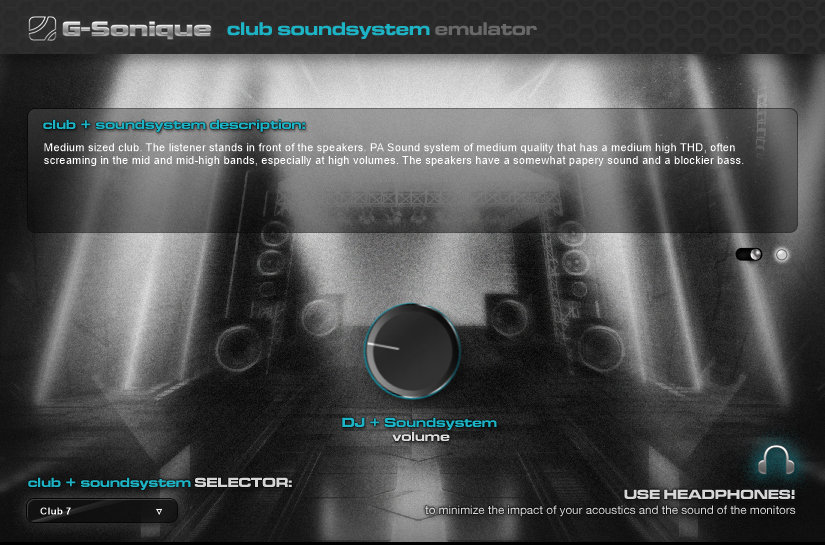
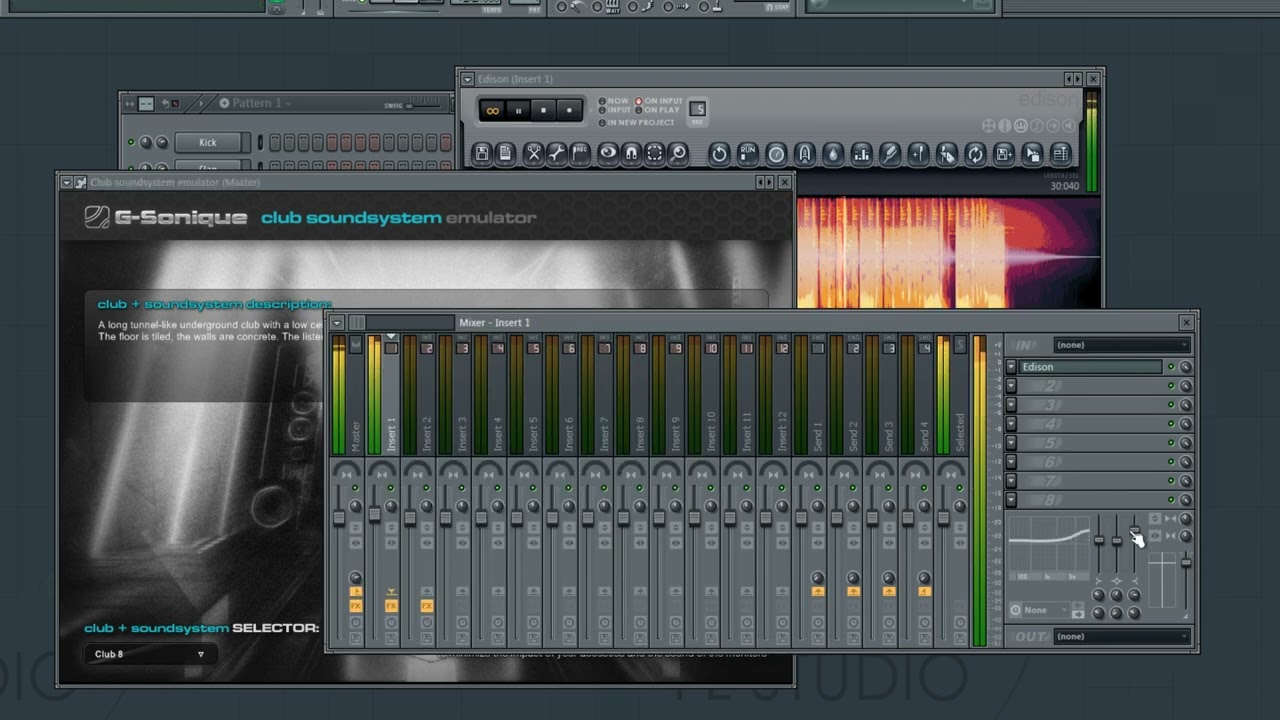
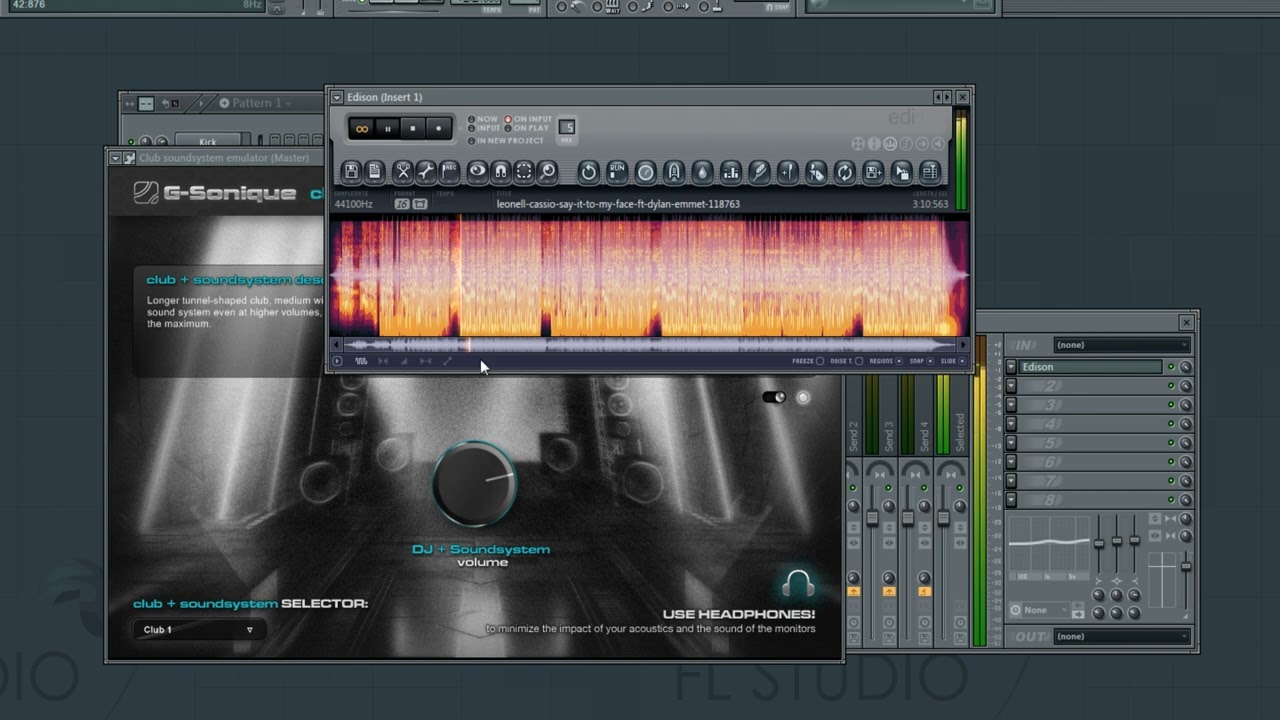
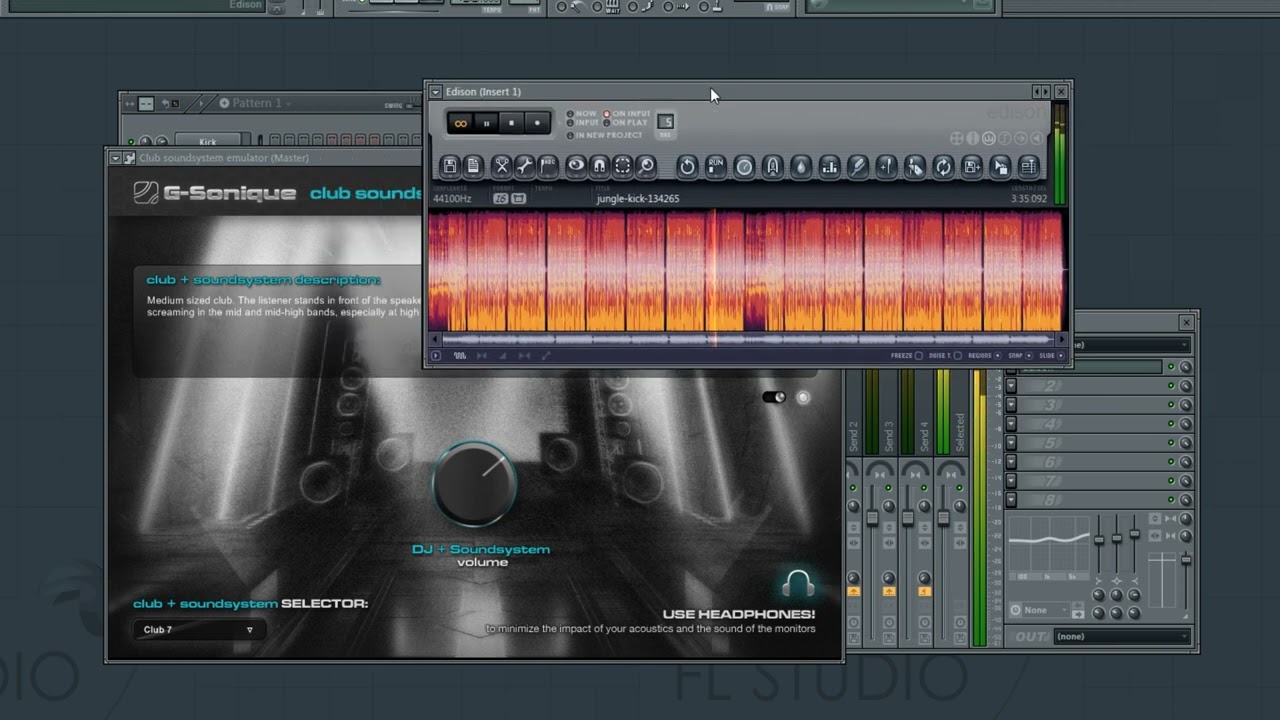
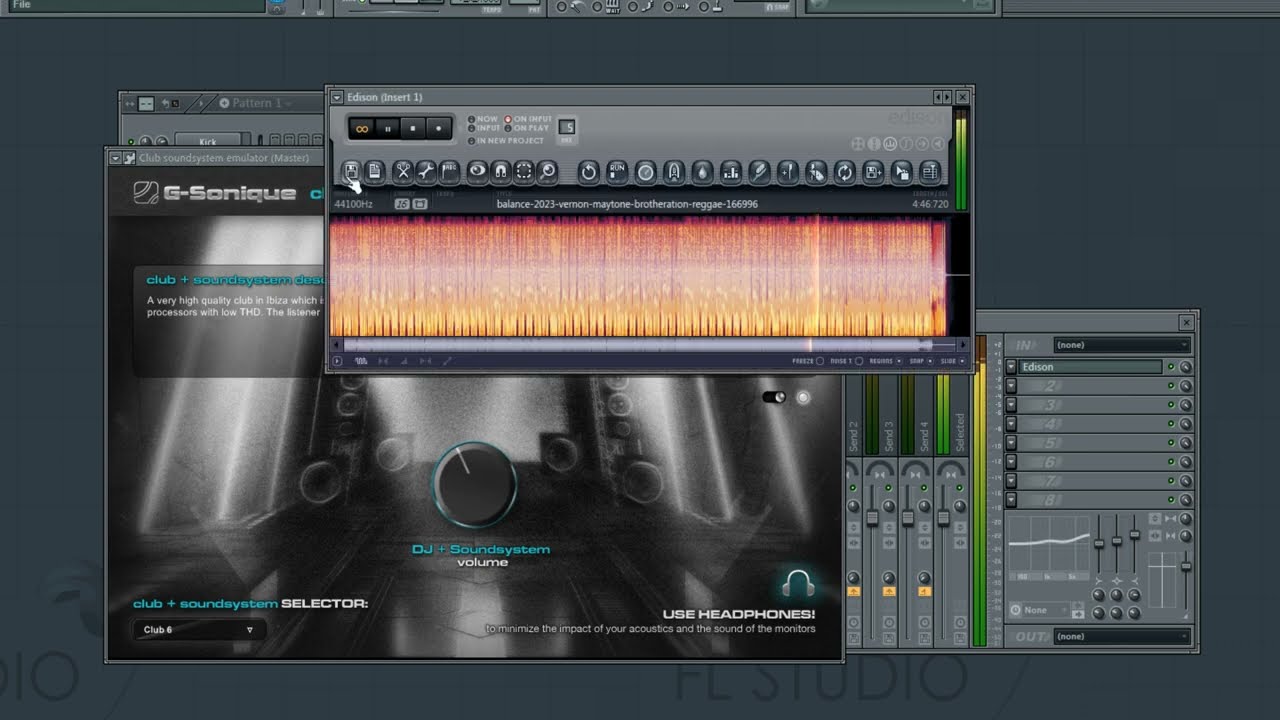
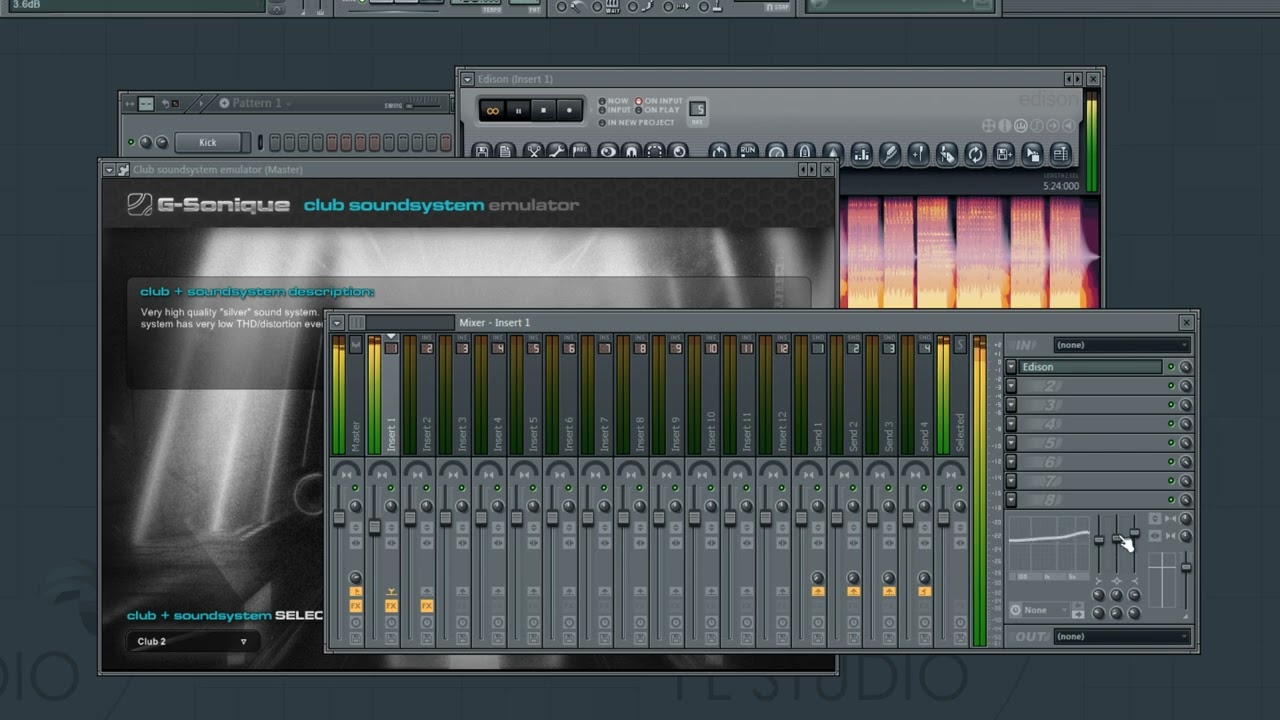
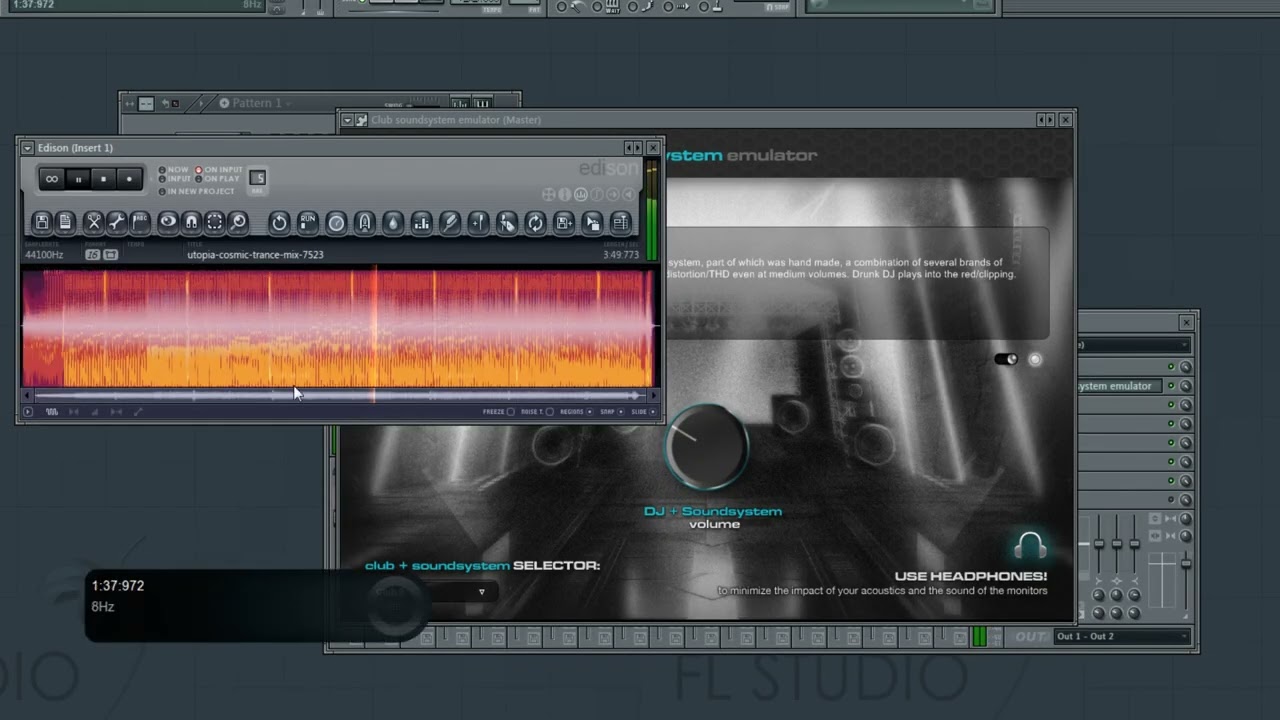
VST plug-in that simulates large club PA soundsystems — speakers, amplifiers, processors, limiters and room acoustics — so you can hear how your mix will really sound on a dancefloor.
Have you ever tried to play your music in a club? Do you know that it will most likely sound completely different on a club sound system than on small monitors or hi-fi? Many problems in the sound — resonances and unpleasant frequencies in the mix — will probably be emphasized and multiplied many times over, because high-powered PA amplifiers amplify the signal several hundred times.
If you produce electronic dance music, that is quite a problem. It should sound good in clubs and at festivals. However, testing every mix and master in a club is very difficult and often impossible.
So we designed a PA soundsystem simulator. It simulates not only various sound systems (advanced IR response + modelling technology), but also the amplifiers and processors in front of them. In front of passive high-power speakers there are usually many limiters, multi-band compressors, protectors, crossovers and amplifiers — separated for bass and for mid/treble drivers — high-power amplifiers that significantly affect the sound and add THD distortion.
The sound is also significantly affected by the acoustics of the space, because very loud sound reflects more than quiet sound. The crowd matters too: an empty club usually sounds sharper and reflects more from the walls, while a crowd of people breaks up the sound, softening reflections and sharpness.
In addition we simulate the drive — the strength of the input signal. You will definitely recognise the effect of a DJ playing "into the red" on the mixer, clipping not only the mixer but also the limiters in the processors and the protection devices that stop the speakers from firing. The louder the input, the more unpleasant the sound — and many DJs like to play at maximum volume, so you can set different levels of input signal strength with the knob. Distortion is also created by the loudspeakers themselves and their woofers mounted in iron frames, especially when driven to the maximum of their acoustic performance — which is why many high-end sound systems are said to run at only 40–50% of their maximum possible output.
We developed the PA Club Soundsystem tester not only with DSP engineers, but also with live sound engineers, DJs and producers such as Toxic Elements, Synthaix, DJ Byg Byzniss and DJ Adidaso with the Slovakian slav squad.
Why do large PA systems sound different from hi-fi speakers?
Power and sound pressure. PA systems in clubs and at festivals are designed for high power and high sound pressure — they must cover large spaces full of people. Small hi-fi speakers are aimed at reproducing quality sound in a living room and are not designed for such volumes.
Distortion and THD. High-powered systems exhibit a certain degree of distortion at extreme volumes, caused by amplifier overload (clipping), deformation of the speaker diaphragms, thermal issues in the components, or non-linearity of the electronic and mechanical parts. This distortion introduces inaccuracies into musical tones.
Room acoustics. Clubs and festival venues are large spaces with very different acoustic characteristics. Sound bounces off walls, ceilings and floors many times, leading to reflections and interference that distort the original sound and cause echoes and resonances.
Setup, calibration and placement. If the system is not properly set up and calibrated for the space, the frequency spectrum becomes unbalanced. Improper speaker placement causes uneven coverage and uneven volume distribution across the club.
Amplifiers and DJs. Amplifiers produce THD distortion at high volumes and significantly amplify problems that already exist in the mix or master. DJs often clip the output and "play in the red" — many DJ mixers are digital inside and have hard-clip limiters that cause additional distortion. PA engineers also use limiters and multi-band limiters to protect the system, because peaks in the input can physically damage woofers.
All in all, the sound on large systems in clubs can be unpleasant due to a complex combination of factors. Proper setup, sound design and attention to detail minimise these issues — and now you can check all of it before your track ever reaches the dancefloor.
Feature Highlights
- Precise emulation of 10 different clubs, soundsystems and rooms (including reflections)
- DJ / amplifier volume knob — simulate everything from a careful sound engineer to a DJ playing deep in the red
- Simulation of PA processors: limiters, multi-band compressors, protectors and crossovers
- Separate bass and mid/treble amplifier paths with realistic THD distortion
- Room acoustics and crowd influence on reflections and sharpness
- Advanced IR response + modelling technology




System Requirements
- Pentium III 1200 MHz / 256 MB RAM
- Windows XP/7/8/10
- VST/VSTi compliant host (Cubase, FL Studio, Ableton, Studio One, Sonar, Reaper)
Get your copy
- Instant delivery by email
- Secure PayPal / card checkout
- Trusted since 2007
- Used by pro artists worldwide
- VISA
- Eurocard / Mastercard
- American Express
- Diners Club
- Direct debit USA
- Bank / Wire transfer
- Cash deposit
- Switch / Solo, Check is also possible