Computer mastering vs. Professional mastering
Why home computer mastering can’t match the sound of a real analog mastering studio.
The difference, point by point
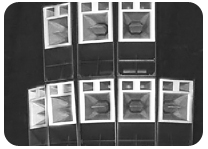
Disaster on big systems
Small distortion, unpleasant frequencies and harshness are multiplied many times when music is reproduced on a big PA system in a club, festival or hi-end audiophile hi-fi. If computer mastering doesn’t sound good on small speakers, on a big PA it will be a disaster.
Cold and lifeless
Home computer mastering will probably be cold and boring; with analog-simulation plug-ins on the master it will be distorted and maybe terribly harsh at high RMS levels. Analog vs. digital in mastering is like driving a car in a computer game vs. driving a real sports car.
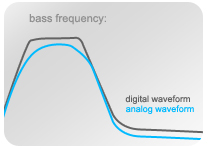
Square vs. round bass
Digitally mastered bass is usually squared, not round and fat like analog. It is almost impossible to make the same warm and fat bass in the digital domain as during real analog mastering.
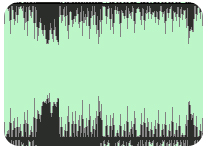
Sharp transients
Digital mastering produces sharp, distorted transients if competitive (high) volume is used, but analog is much more natural and smooth.
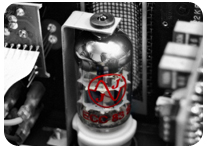
Aliasing instead of warmth
Simulating vacuum tubes and other analog devices in a computer usually creates distortion and aliasing instead of warm sound and real color. Analog gear generates higher harmonics; in the digital domain those harmonics above 44.1 kHz are returned back as ugly digital artifacts / aliasing. This does not happen in the analog world.
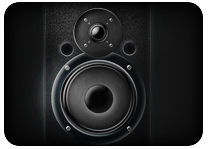
Monitors aren’t enough
Your small studio monitors are good for mixing and checking frequency conflicts, but they have a flat, cold sound not suitable for mastering, and can’t reproduce the deepest sub bass. All mastering studios use detailed, transparent hi-end audiophile speakers — and several pairs — so music sounds good everywhere.
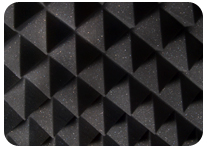
Untreated room acoustics
Without mathematically calculated and measured studio acoustics you can expect more than +/- 6 dB of frequency distortion / unreal hearing. Some diffusers and foam can help, but foam can absorb far more frequencies than desired — not ideal for mastering.
You must read our license agreement / terms before ordering or testing our services. You fully agree with our license agreement / terms by ordering or testing our services or by sending us an e-mail.